Lentils are often introduced as a plant-based protein food, which is true but incomplete. They also bring carbohydrate, fiber, folate and iron to a meal, are easy to store, and work in soups, salads, stews, grain bowls and batch-cooked lunches. For an active person, that combination can make them more useful than a single macro number suggests.
The catch is equally important. The iron in lentils is nonheme iron, the form found in plant foods. Its absorption is affected by the rest of the meal, and a food database number cannot tell you your iron status. Lentils can be a strong contributor to a varied diet without being a treatment for low iron, a replacement for clinical testing, or a reason to stop eating other protein foods.
This guide uses plain cooked lentils as the reference point. Values change with variety, cooking method, canned versus dried products, salt, sauces, and the portion on your plate. Treat the numbers as a way to understand the food, then build meals that fit your appetite, budget, training schedule and dietary pattern.
- What a cooked serving contributes
- Why the protein number needs meal context
- How fiber changes the practical choice
- The catch with nonheme iron
- How to use lentils in ordinary meals
Start with the cooked serving, not the dry bag
Dry lentils look deceptively dense because they absorb water during cooking. When nutrition is compared, make sure you are comparing cooked with cooked or dry with dry. The most useful reference for a meal is usually the cooked amount that actually reaches the bowl.
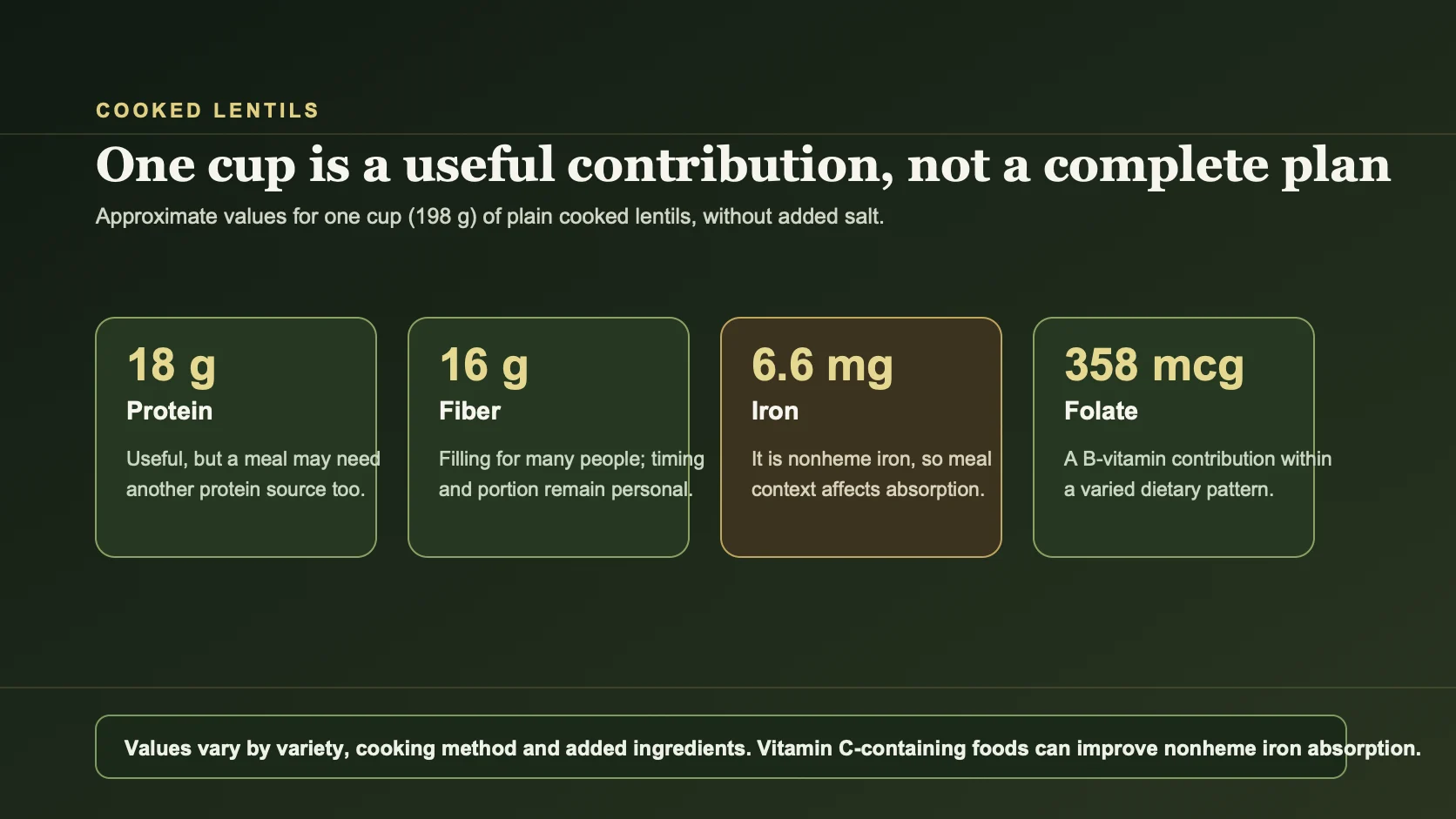
The USDA FoodData Central entry for plain cooked lentils without salt lists about 18 grams of protein, 16 grams of fiber, 6.6 milligrams of iron and 358 micrograms of food folate in one cooked cup (198 grams). The same serving also provides roughly 40 grams of carbohydrate. Those figures make lentils a substantial staple, not a garnish.
They are still reference values, not a command to eat one cup at a time. A half cup may be enough in a mixed meal. A larger serving may work well in a soup after training or as part of a batch-cooked lunch. The product label is the better source when you are using a seasoned pouch, canned lentils with salt, lentil pasta, or a restaurant meal.
Protein matters, but the meal decides the job
Eighteen grams of protein in a cooked cup is meaningful. It can make a vegetarian bowl, soup, or salad more substantial, and it can reduce the amount of another protein food needed in that meal. It does not mean lentils have to carry the full protein target of every meal.
If you want a higher-protein plate, pair lentils with foods that fit your dietary pattern: yogurt, eggs, fish, chicken, tofu, tempeh, soy yogurt, cheese, or another legume-based food. This is not an amino-acid puzzle that must be solved at every bite. It is simply a practical way to make the meal match your appetite and the amount of protein you want it to contain.
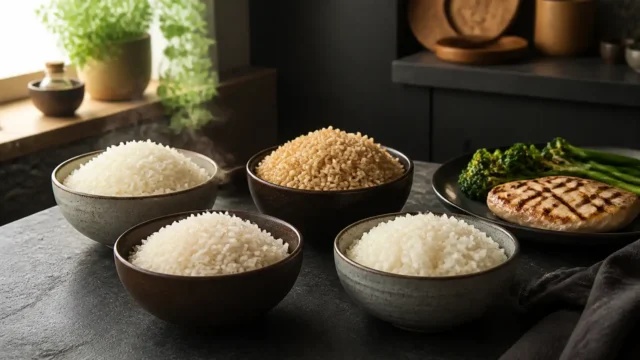
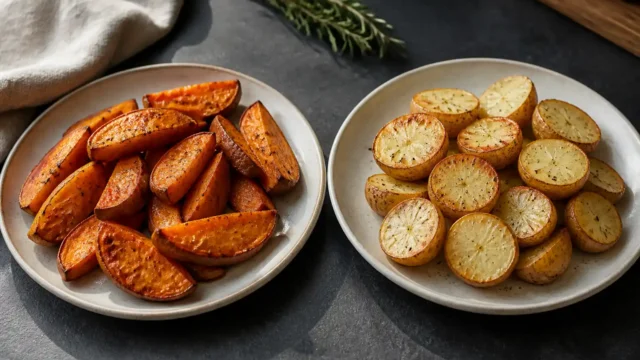
Lentils also bring carbohydrate, which is useful when the meal needs more than protein alone. A lentil and rice bowl, lentil soup with bread, or lentils alongside potatoes can be a satisfying base for an active day. Rice for Strength Training: White, Brown, Basmati or Jasmine? explains why the best carbohydrate choice is usually the one that works in the actual meal, not the one with the most impressive label.
Fiber is a strength and a timing question
The fiber in lentils is one reason they can feel filling and work well in a meal that needs to last. It is also why they may not feel comfortable immediately before every workout. Some people can train well after a lentil-based meal; others prefer more time, a smaller serving, or a lower-fiber carbohydrate closer to the session.
There is no universal pre-workout lentil rule. Test the food in ordinary training, not before an important event, and pay attention to comfort, meal timing and portion. If a large lentil bowl feels too heavy before a session, move it earlier in the day or use it after training instead. That is an adjustment of meal timing, not proof that lentils are good or bad for performance.
The same flexibility applies to preparation. Red lentils can break down into soups and dals. Green or brown lentils tend to hold their shape better in salads and bowls. Canned lentils can be useful when time matters; rinse them if that improves the taste or sodium fit of the meal. None of these formats needs to win a nutrition contest. Choose the one you will cook and eat consistently.
Folate is a contribution, not a supplement substitute
Folate is a B vitamin naturally present in many foods, including beans and peas. The NIH Office of Dietary Supplements folate fact sheet explains that folate helps the body make DNA and other genetic material and supports cell division. Lentils are one food-based contributor among many, not a replacement for individualized nutrition or prenatal guidance.
This distinction matters most when someone has a known nutrient concern, a condition that affects absorption, uses relevant medication, or is pregnant or planning pregnancy. A general food article cannot tell you whether a serving of lentils meets an individual need. Use a clinician or dietitian when the question is about diagnosis, deficiency, medication interaction, pregnancy or supplementation.
For most lifters, the practical message is much simpler: rotate foods. Lentils, beans, leafy vegetables, fruit, fortified grains, animal foods where included, and other staples bring different nutrient profiles to a week of meals. A varied pattern reduces the pressure to make one food do every job.
The catch with plant-based iron is absorption
The iron in lentils is nonheme iron. The NIH iron fact sheet distinguishes it from heme iron in meat, seafood and poultry, and notes that dietary components can affect nonheme iron bioavailability. Vitamin C can improve the absorption of nonheme iron, while phytate in grains and beans and certain polyphenols can have the opposite effect.
This is the part that gets distorted in simple food rankings. A label can show a substantial amount of iron, but that does not mean every milligram is absorbed in the same way. It also does not mean you need to micromanage every meal. The NIH notes that these effects are often moderated within a typical mixed diet, so a varied diet usually matters more than turning every lentil meal into a laboratory experiment.
One practical, low-drama option is to include vitamin C-containing foods you already enjoy with lentils: peppers, tomatoes, citrus, kiwi, berries, broccoli, or a fruit-based dessert. The NIH vitamin C fact sheet confirms that vitamin C improves absorption of nonheme iron from plant foods. That is a useful food pairing, not a treatment protocol.
If you suspect iron deficiency or have symptoms such as persistent unexplained fatigue, breathlessness, or poor exercise tolerance, do not self-diagnose from a lentil article. Those symptoms have many possible causes. Clinical assessment is the appropriate next step, and iron supplements can interact with medicines and are not automatically safe or necessary.
Put lentils into meals you can repeat
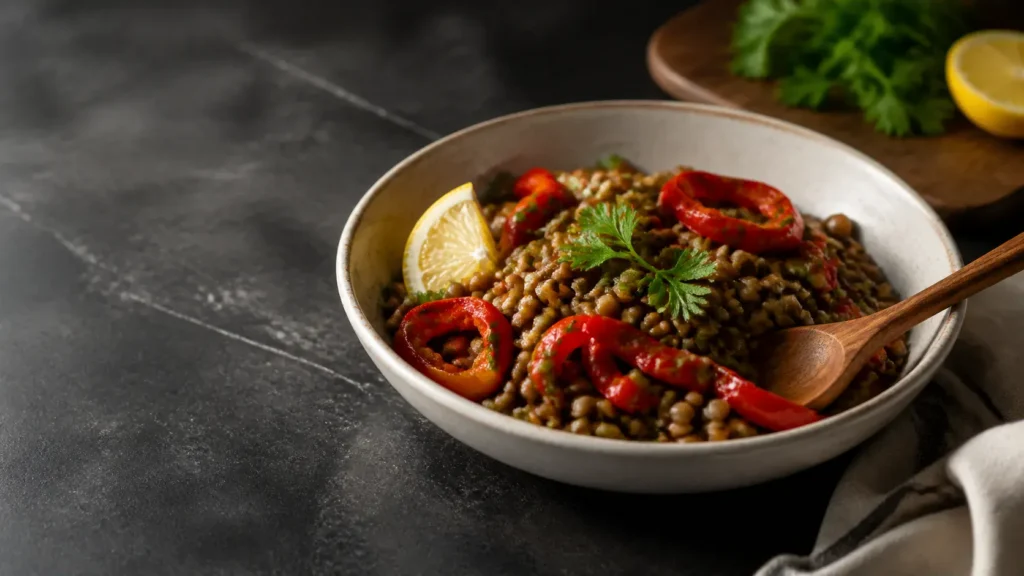
Lentils work best when their role is simple. Add them to a tomato-based soup with bread and a protein food. Mix them into a rice bowl with roasted vegetables, a sauce, and tofu or chicken. Use them in a salad with chopped peppers, herbs and lemon. Fold them into a chili with beans and ground meat or a soy mince if that fits the household.
Meal prep is another practical advantage. Cook a pot, cool it safely, and use portions through the next few meals. If cooking dry lentils is not realistic, canned or vacuum-packed lentils can still be a useful shortcut. Convenience is part of nutritional quality when it helps you eat balanced meals consistently.
For a second plant-based staple that solves a different meal problem, Quinoa: Complete Protein Miracle or Just Another Good Carb Source? keeps the comparison grounded. You do not need to choose a permanent winner between grains, legumes and potatoes. Build enough options that food remains workable on busy days.
Conclusion
Lentils are a practical food for lifters because one cooked serving can bring protein, carbohydrate, fiber, iron and folate to the same meal. Their limitation is not that they are somehow incomplete or inferior. It is that nutrient numbers, especially for plant-based minerals, need the context of absorption, the rest of the diet and the individual person.
Use lentils when they make a meal easier, more affordable or more satisfying. Pair them with other foods when you want more protein, energy, flavor or vitamin C. Keep them in a rotation with other staples. That is a more useful role than asking one bowl to solve your entire nutrition plan.
FAQ
Are lentils a good protein source for lifters?
Lentils provide meaningful protein and can make a meal more substantial. Whether they are enough on their own depends on the portion and the meal; add other protein foods when the meal needs more.
Should I eat lentils with vitamin C for iron absorption?
Including vitamin C-containing food with lentils is a practical option because vitamin C improves absorption of nonheme iron. It is not necessary to engineer every meal, and it does not replace medical assessment for a suspected iron problem.
Are lentils good before training?
They can be, but their fiber content may feel heavy close to exercise for some people. Adjust portion and timing based on your comfort, or use lentils in a meal farther from the session.
Continue with a related guide
For another affordable carbohydrate staple, read Rice for Strength Training: White, Brown, Basmati or Jasmine?. For a plant-based comparison that avoids nutrient hype, continue with Quinoa: Complete Protein Miracle or Just Another Good Carb Source?.